

What the World Can Learn from Türkiye’s Disaster Response Teams
By Alparslan CAN
Disasters do not wait for countries to be ready. Earthquakes, floods, wildfires and other emergencies can overwhelm communities within minutes. When that happens, the effectiveness of the response depends not only on equipment and resources, but also on preparation, coordination, teamwork and the ability to make critical decisions under pressure.
Türkiye’s National Medical Rescue Team, known as UMKE, offers valuable experience in this field. Developed to provide medical assistance in challenging disaster and emergency environments, UMKE represents an approach that combines professional healthcare knowledge with field readiness and coordinated response.
For countries seeking to strengthen their disaster response systems, there are important lessons to consider.
1. Preparation Must Begin Before the Disaster
One of the most important lessons in disaster management is that effective response begins long before an emergency occurs.
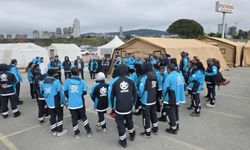
Training, practical exercises, operational planning and clearly defined responsibilities help teams act more effectively when normal systems are disrupted. Emergency personnel must be prepared not only for familiar situations, but also for difficult conditions in which communication, transportation and access to medical facilities may be limited.
Regular exercises help identify weaknesses before they become critical problems. They also allow team members to develop confidence in their roles and understand how their responsibilities connect with those of other responders.
Preparedness should therefore be treated as a continuous process, not an activity carried out only when a disaster becomes likely.
2. Medical Response Must Reach the Field
In major disasters, injured people may be trapped or located in areas that are difficult to access. Conventional healthcare facilities may be damaged, overwhelmed or temporarily unreachable.
This makes field-based medical response essential.
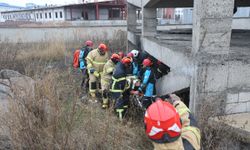
Medical rescue teams need the ability to operate in challenging environments, assess patients, provide appropriate emergency care and coordinate their transfer to suitable medical facilities.
The objective is not simply to send healthcare personnel to a disaster area. It is to establish an organized medical response that can function safely and effectively under difficult conditions.
3. Coordination Is as Important as Equipment
A disaster response involves many different organizations: emergency medical services, search and rescue teams, fire departments, security forces, local authorities, hospitals and humanitarian organizations.
Even highly trained teams can struggle if their activities are not coordinated.
Clear communication, shared operational objectives and an understanding of each organization's responsibilities are essential. Teams must know who is coordinating the response, how information is shared and how medical priorities are determined.
Technology and equipment can improve operations, but they cannot replace effective leadership and cooperation.
4. Field Experience Creates Better Decisions
Training provides essential knowledge, but real emergency environments test whether that knowledge can be applied under pressure.
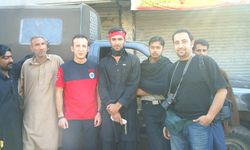
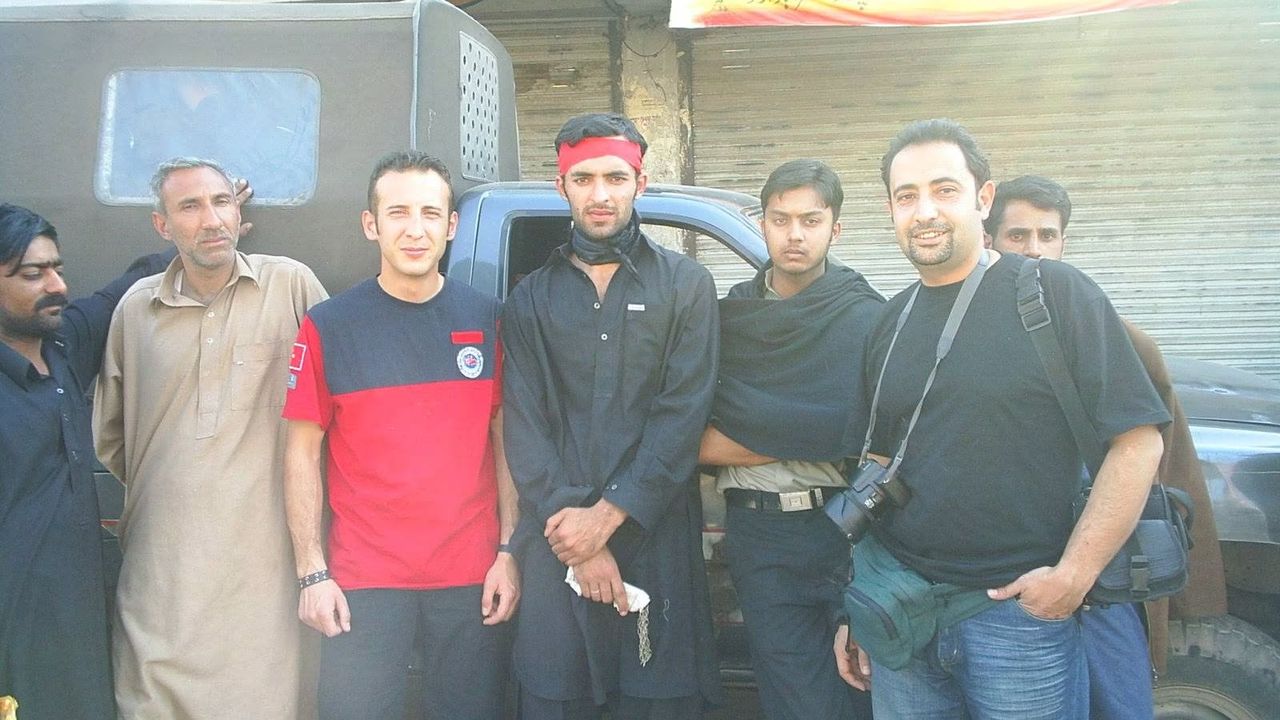
My own experience in the field, including international assignments in Pakistan in 2006 and Haiti in 2010, reinforced the importance of adaptability, teamwork and understanding local conditions.
Every disaster has its own characteristics. Geography, infrastructure, culture, available resources and the needs of affected communities can differ significantly.
Responders must therefore be able to adapt their methods without losing sight of basic operational principles: protecting life, working safely, coordinating with other organizations and respecting the people they serve.
Field experience should also be documented and shared. Lessons learned during one emergency can help improve preparedness for the next.
5. International Cooperation Should Be Built Before Emergencies
Disasters can exceed the response capacity of a single country. International assistance may become necessary, particularly when large populations are affected or critical infrastructure is damaged.
However, effective international cooperation cannot be improvised at the last minute.
Countries and organizations should establish communication channels, operational procedures and training partnerships before emergencies occur. Teams working across borders need to understand different command structures, medical practices, logistical systems and humanitarian principles.
Joint exercises and professional exchanges can help build trust and reduce confusion when international assistance is needed.
6. People Must Remain at the Center of Disaster Management
Disaster response is ultimately about people.
Behind every operational plan are individuals and families facing uncertainty, loss and urgent needs. Medical teams must combine technical competence with compassion, respect and an understanding of human dignity.
Responders also need to protect their own physical and psychological well-being. Sustainable emergency operations depend on trained personnel who are supported, properly equipped and prepared for the demands of their work.

A Lesson for the International Community
Türkiye’s UMKE experience demonstrates the importance of combining medical expertise, field preparedness, teamwork and coordination in disaster response.
No single model can be applied identically in every country. Each nation must develop a system suited to its geography, institutions, resources and population. Nevertheless, the underlying principles are widely relevant.
Preparedness must be continuous. Medical assistance must be able to reach affected communities. Organizations must coordinate effectively. Field experience must be transformed into institutional learning. And international cooperation must be established before the next emergency.
Disasters may be unpredictable, but the quality of preparedness is not.
The most effective response is built through people, training, cooperation and a shared commitment to protecting human life.
Alparslan CAN
UMKE.org Founder | Former UMKE Field Team Trainer
Emergency Medical Response and Disaster Management
This article reflects the author's professional experience and perspective on disaster preparedness, medical rescue and international cooperation.