




The report highlights how investments in heat protection, clean drinking water, sanitation and cleaner household energy could save lives while generating trillions of dollars in economic benefits.
CLIMATE CHANGE IS ALSO A GLOBAL HEALTH CRISIS
The WHO says climate change is increasing health risks worldwide, particularly for people living in vulnerable communities.
Extreme heat, unsafe drinking water, poor sanitation and household air pollution are among the major threats addressed in the report.
WHO Director-General Dr. Tedros Adhanom Ghebreyesus stressed that many climate-related health problems can be prevented using solutions that are already available.
SIX MEASURES THAT COULD SAVE MILLIONS OF LIVES
The WHO report identifies six priority actions:
-
Establishing early warning systems for dangerous heatwaves.
-
Improving access to climate-resilient drinking water.
-
Expanding basic sanitation services.
-
Improving hygiene and handwashing facilities.
-
Promoting cleaner household fuels and cooking technologies.
-
Introducing more effective fossil fuel pricing policies.
According to the WHO's projections, implementing these measures globally could prevent approximately 1.6 million deaths annually.
TRILLIONS OF DOLLARS IN ECONOMIC BENEFITS
The report estimates that these measures could generate approximately $3.9 trillion in annual economic welfare benefits and an additional $5.4 trillion in fiscal benefits.
They could also help avoid approximately 16.7 billion tonnes of carbon dioxide emissions.
The WHO estimates that five of the interventions could generate around $24 in benefits for every dollar invested.
Heat-health warning systems are particularly cost-effective, with estimated returns of up to $835 for every dollar invested.
The organization cautions that these figures are based on modeled scenarios and depend on the successful implementation of the proposed measures.
ALL EYES ON ANTALYA AS COP31 APPROACHES
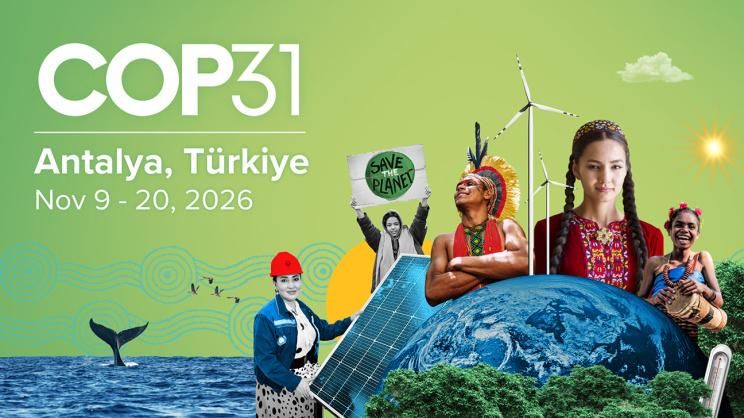
The report comes just days before the United Nations Climate Change Conference, COP31, scheduled to take place in Antalya, Türkiye, from November 9 to 20, 2026.
Governments and international organizations are expected to discuss climate commitments, environmental protection and strategies to reduce the health risks associated with global warming.
The WHO is calling on governments to put public health at the centre of climate policies.
The message is clear: protecting the climate is not only about protecting the environment. It is also about protecting human lives.
Source: World Health Organization (WHO), November 4, 2026.